Category: Case Study
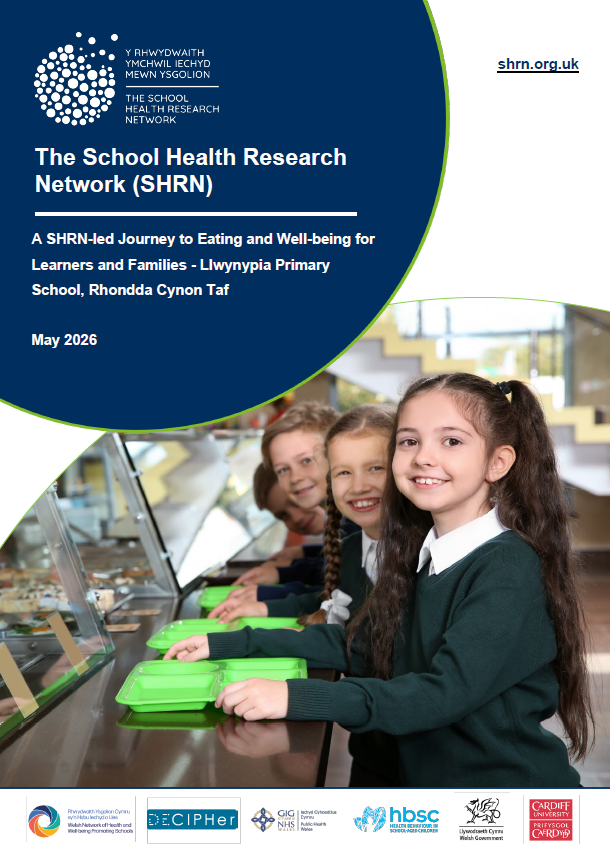
Llwynypia Primary School in Rhondda Cynon Taf shows how one set of clear, reliable data can spark whole-school conversations about health and well-being. When staff reviewed their learners’ daily readiness, one finding jumped out straight away, daily fruit and vegetable intake among learners in Years 3 to 6 was below the Welsh average. The lowest levels were in Years 3 and 4, suggesting younger learners were finding it harder to build consistent healthy eating habits. That simple insight gave the school a practical starting point.
Using the SHRN data as a baseline, staff, learners and governors agreed that food and drink should become a whole-school priority. The Healthy School Council explored the graphs, data and infographics, and helped shape the first actions. This meant pupil voice guided the work from day one. The school introduced targeted changes, including a dedicated fruit time, learner-led assemblies and a new food pantry.

A SHRN-led Journey to Eating and Well-being for Learners and Families – Llwynypia Primary School, Rhondda Cynon Taf
Abbey Primary School in Neath Port Talbot is a strong example of how data from The School Health Research Network (SHRN) can move schools from data insight to action. Their SHRN school-level report revealed that learners in Years 3 to 6 had higher levels of digital device ownership and social media use compared to the Wales average. From this, the school recognised how early online engagement might influence areas such as emotional well-being, self-image, and digital literacy and decision-making, prompting questions about digital influence and resilience.
In response, the school initiated a learner-led investigation and project titled ‘Power and Influence in Digital Spaces’ placing learner voice at the heart of the process. This approach not only addressed digital well-being as a key health and well-being priority but also empowered learners to become critical thinkers and responsible digital citizens.
By embedding their SHRN data into planning and aligning with the principles of the Curriculum for Wales, Abbey Primary School strengthened its Whole School Approach to Emotional and Mental Well-being and created a culture where evidence informs action and learners lead the way.

From SHRN Insights to Action: Primary School Learners Leading Change in Digital Well-being
This case study shows how Ysgol Bro Taf used SHRN data to identify vaping as a growing concern and launched a whole-school response. This included updated policies, curriculum changes, and collaboration with families and public health partners. Learners played a key role through project-based learning and discussions on vaping’s impacts. Early signs show positive shifts in attitudes, with the school committed to building on this progress through continued data use and learner engagement.

Empowering School Communities: A Data Informed, Whole-School Approach to Vaping Prevention
4 June 2025
Empowering Schools Through SHRN: The Role of Monmouthshire WNHWPS
Presented by Sally Amos and Emma Taylor, Monmouthshire Healthy Schools Team
Read the full case study here:

School Case Study- Leveraging SHRN Data to Drive Collaborative Health and Well-being Improvements Across School Clusters: Monmouthshire Welsh Network of Health and Well-being Promoting Schools (WNHWPS)
This case study show cases how Cogan Primary School effectively used SHRN data to identify and address key challenges faced by Year 6 pupils, including low self-esteem and difficulties in peer relationships.
With the support of their WNHWPS Healthy Schools Co-ordinator and an external organisation, the school introduced a targeted intervention to boost confidence, improve emotional awareness, and foster positive peer connections. Their collaborative approach and use of external resources have led to lasting benefits for their learners.
Click below to find out more

Building Brighter Futures: How Cogan Primary School Uses SHRN Data to Empower Year 6 School Leavers.
12 November 2025
Cogan Primary School – Building Brighter Futures: Using SHRN Data to Empower Year 6 Leavers
Presented by Tom Lewis, Well-being Lead, Cogan Primary School.

Through the use of their School Health Research Network (SHRN) data and targeted interventions, Whitmore High School has made positive strides in enhancing learner health and well-being.
By analysing SHRN data, the school identified key areas for improvement and implemented specific strategies to address them, focusing their attention on learner fulfilment, school connectedness , and overall life satisfaction. These targeted interventions have led to improvements in learner health and well-being, demonstrating the school’s commitment to placing health and well-being at the forefront of its mission. As a result, learners are better equipped to thrive both in school and beyond, ensuring they have the best possible opportunity for success.
Click below to find out more

Whitmore High School: Where SHRN, Health & Well-being and Meaningful Connections Shape the School Community
4 June 2025
Whitmore High School – Harnessing SHRN Data: Strengthening Learner Well-being and School Engagement
Presented by Maria Prosser and Henriette Bertheux, Whitmore High School

This school case study is part of an ongoing series exploring innovative, evidence-informed practices based on SHRN data.
Case Study Outline
At Ysgol Aberconwy, the commitment to using SHRN data has encouraged a proactive and preventative approach to health and well-being, which has been at the heart of their efforts to support learners. By assessing key findings and trends, the school identified sleep as a significant priority. Using SHRN data to inform action planning and collaborating with both learners and external partners, the school has implemented a wide variety of initiatives to improve sleep quantity and quality and, in turn, enhance overall learner health. This case study outlines the steps they’ve taken to embed SHRN data into their self-evaluation and development plans and the positive impact it has had on the whole school community.
Click below to find out more

Ysgol Aberconwy: Leading the Way in Sleep and Well-being for Learners

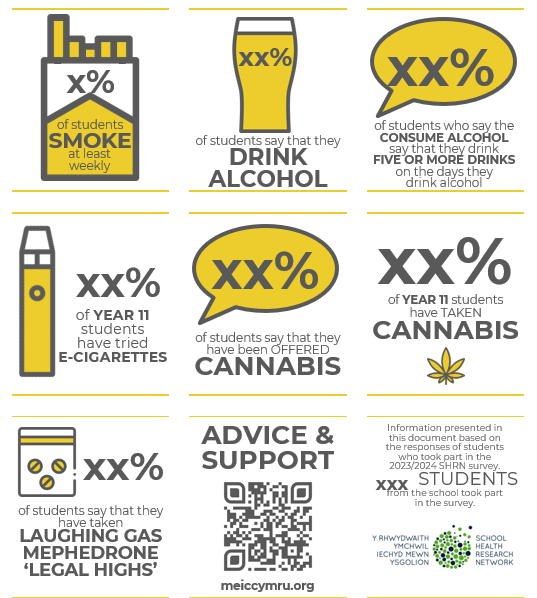
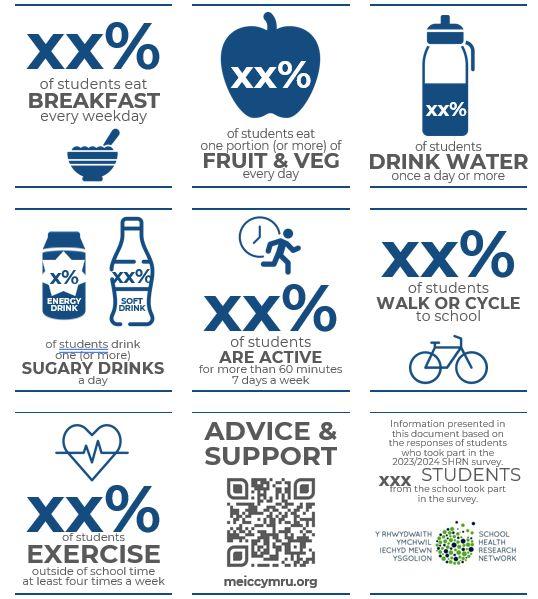
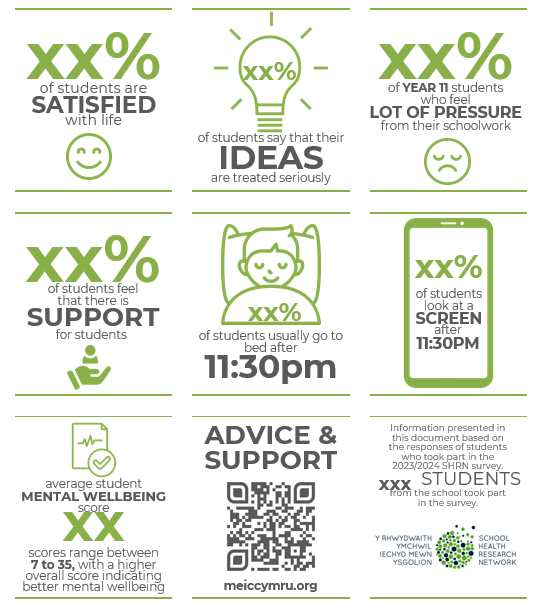
In this case study, Huw Eifion Evans, Healthy School Co-ordinator for Conwy, demonstrates how infographics can effectively communicate insights from SHRN data to a broader audience. By using these visual tools, key findings are shared with learners, staff, parents/carers, and school governors, fostering a deeper understanding of health and well-being across the school community.
An Introduction to Using SHRN Data Infographics
The Conwy Team has created infographics to help secondary schools present data from The SHRN Student Health and Well-being Survey in a way that is both accessible and engaging for everyone in the school community.
By using infographics and slide decks (a collection of slides used to support a presentation, such as MS PowerPoint), complex data is transformed into visually appealing and easy-to-understand formats. This makes it simpler for a wider range of stakeholders to grasp key insights and identify trends in learners’ health and well-being.
Using SHRN Data: Detailed Insights into Learners’ Health and Well-being
The SHRN Student Health and Well-being survey offers a comprehensive overview of learner health and well-being, covering topics which include physical activity, sleep, social media, and substance use. Schools find their individualised reports to be highly informative, providing rich, detailed data that offers valuable insights.
Read more about the benefits to schools here.
Schools greatly appreciate the breadth and depth of their SHRN data. While school health and well-being teams initially focus on understanding the full scope of findings, they also recognise the opportunity to highlight key messages and present the data in ways that maximise SHRN impact across schools.
Making Communication Easier with Infographics and Slide Decks
SHRN infographics, paired with a slide deck (e.g., MS PowerPoint), help schools effectively communicate key data in assemblies, meetings, lessons, and throughout the school environment. This ensures that important insights are shared clearly and engagingly, making it easier for everyone to understand and act on what they see.
The Benefits of Using Infographics
Since the introduction of infographics in Conwy Secondary Schools, engagement with SHRN data has increased significantly.
The infographics and slide deck make data more approachable, sparking curiosity and conversation among staff and learners. This engagement promotes a whole-school understanding of learner health and well-being.
Additionally, the infographics have encouraged schools to continue participating in The SHRN Student Health and Well-being Survey, recognising the data’s value for school-wide health and well-being insights.
How We Created the Infographics
Guided by good design principles focusing on clarity, simplicity, and functionality, we aimed for a clean and accessible style. We used high-contrast fonts and a mix of charts, icons, and graphs to make the data easy to understand and visually appealing for everyone.
We chose pie charts and icons because they present statistics clearly and engagingly. Feedback from health and well-being school leads helped us refine the design to ensure it was relevant and easy to use. We also included each school’s logo and branding to make the data feel familiar and foster a sense of ownership.
There are many free and easy-to-use design tools available for creating infographics, such as:
- Adobe Color: A tool for creating colour schemes.
- Canva: An easy-to-use graphic design platform.
- Flat Icon: A resource for free icons.
- Google Slides: A presentation tool that can be used for designing infographics.
(Please note – we wish to clarify that references to these products are not endorsements. Instead, we am sharing items that we have personally utilised and have proven to be effective. Our objective is to provide authentic insights based on our own experiences)
How Schools use Infographics
Conwy’s secondary schools have used the infographics creatively in a different ways:
- Informing the New Curriculum in Wales: Development and lesson plans.
- Embedding SHRN Data: Into the Whole-School Approach to Mental Health and Well-being framework.
- Supporting Learners’ Councils: Providing valuable data for discussions and initiatives.
- Displaying Around the School: In key areas such as staff rooms, noticeboards, and walkways.
- Presentations: For school governors and during learner assemblies.
- Sharing with Parents/Carers: Through social media and newsletters.