
Categories
Blog

How Our School SHRN Data Enhanced Our Learners’ Sleep Habits: A Teacher’s Perspective

At Ysgol Aberconwy, our commitment to the holistic development of our learners – academically, emotionally, and physically – has always been at the heart of what we do. Working with The School Health Research Network (SHRN) has helped us generate robust and actionable data that allowed us to fully understand our learners’ health and well-being. With this valuable insight, we were able to identify specific issues and take targeted, impactful actions to enhance our learners’ health and well-being. 

One of the most rewarding aspects of our sleep initiative has been hearing the personal stories from our learners.  

James, Year 10:

“Before the sleep initiative, I used to struggle with falling asleep and often felt tired during the day. After learning about the importance of sleep and using blue light filtering settings and apps on my phone and tablet, I’ve noticed a huge difference. I fall asleep faster and wake up feeling more refreshed. My concentration in class has improved, and I feel more energetic throughout the day.”

Sophie, Year 8:

“The ‘No tech after 9 pm’ rule was tough at first, but it really helped me. I used to stay up late on my phone, but now I read a book before bed instead. I sleep better and feel more focused in school. My grades have improved, and I feel happier overall.”

Liam, Year 11:

“Sticking to a consistent sleep schedule has made a big difference for me. I go to bed and wake up at the same time every day, even on weekends. This routine has helped me feel more alert and less stressed. I can concentrate better in class and have more energy for extracurricular activities.”

Emily, year 9:

“Using a sunrise alarm has been a game-changer for me. It wakes me up gently with light, and I feel more awake and ready to start the day. I’ve noticed that I’m more engaged in lessons and less irritable. It’s amazing how much better I feel with good sleep.”

These personal testimonials highlight the real-life impact of our efforts and motivate us to continue our work. 


Effective Strategies: How We Tackled Learner’s Sleep Challenges  

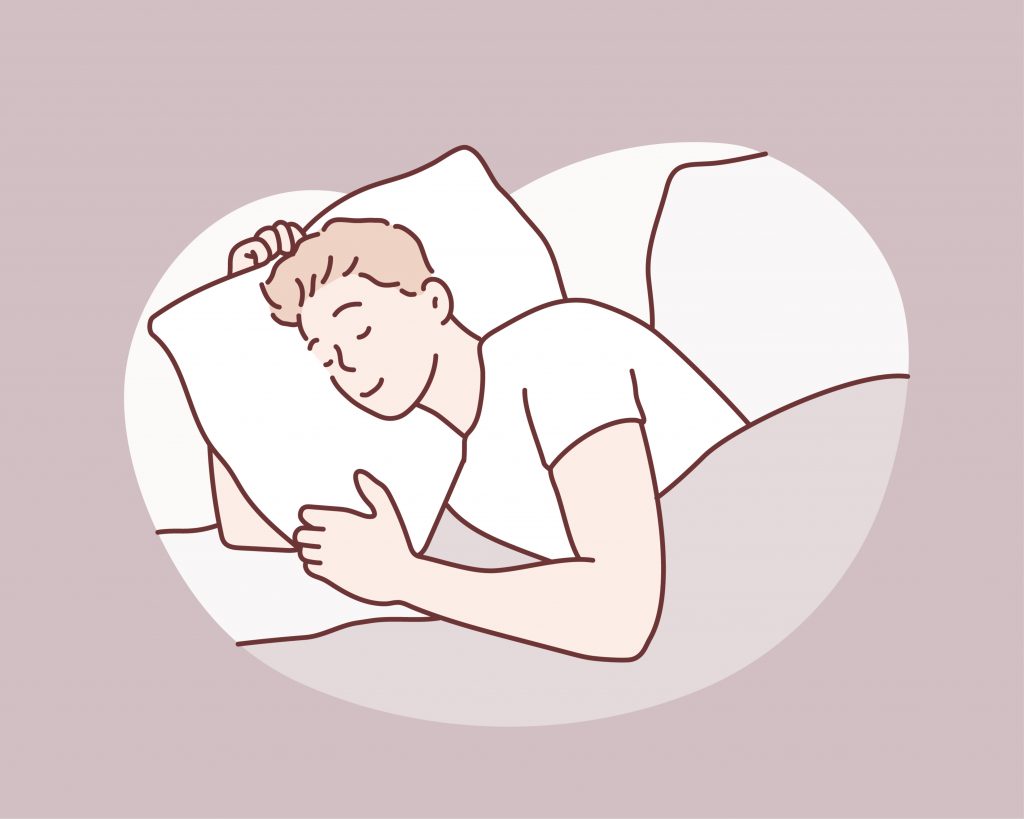
To address the sleep challenges identified through our school’s SHRN data, we implemented several strategies. We educated learners about circadian rhythms (a pattern the human body follows based on a natural and internal 24-hour clock) and encouraged them to use tools like blue light filtering settings and sunrise alarms. These tools help regulate sleep patterns by reducing exposure to blue light and simulating natural sunlight in the morning.  

We also developed slogans and visual campaigns to keep sleep at the forefront of everyone’s mind. For example, the learner led iACh group (ie learners involved in the development and delivery of various health and well-being initiatives) created default desktop backgrounds for all learner and staff computers, that detailed catchy, thought-provoking slogans, such as ‘This third of the day will have the biggest impact on the other two thirds’ to understand the impact of sleep on learners’ health and well-being. 

Additionally, Huw Evans, The Welsh Network of Health and Well-being Promoting Schools (WNHWPS) Healthy School Co-ordinator for Conwy, played a crucial role in helping us engage with our SHRN data. This led to the identification of sleep as a priority area, and he supported us in exploring a range of implementation strategies 

Overcoming Obstacles: Turning Challenge into Active Participation

Implementing these initiatives wasn’t without its challenges. Initially, some learners were relucent to change their habits, especially when it came to reducing screen time. To address this, we engaged them in the data and discussion, helping them understand the importance of sleep, and encouraged active participation in the initiatives. 

A Ripple Effect: The Broader Benefits of Better Sleep on Health and Well-being 

Improved sleep has had a ripple effect on other areas of our learners’ lives. Teachers have reported better focus and engagement in class, with one teacher stating “Since our students improved their sleep habits, we’ve seen a noticeable boost in their focus, participation, and overall engagement in lessons. They’re more alert, less stressed, and seem to approach learning with a more positive attitude. Better sleep has also improved their emotional well-being, helping them stay calm under pressure and more motivated. Overall, they’re healthier, more balanced, and ready to succeed both in and out of the classroom. It’s clear that sleep plays a crucial role in their health and well-being and academic success.” 

These holistic benefits underscore the importance of addressing sleep as a key component of learner health and well-being. 

Looking Ahead: Future Plans to Enhance Learner Health and Well-being 

Looking ahead, we are excited to continue using our SHRN data to inform our decisions on how we can further improve the health and well-being of our learners. We plan to explore other aspects of health and well-being, such as nutrition and physical activity, and implement targeted initiatives based on our data insights. 

Teamwork at Its Best: How Collaboration Powered Our Success 

Our success wouldn’t have been possible without the support of our external partners, including local health organisations and The Welsh Network Health and Well-being Promoting Schools (WNHWPS), and Third Sector organisations such as The Sleep Charity. Their expertise and resources have been invaluable in delivering effective support to our learners. 

Parents and carers also played a vital role in supporting the movement to improve learners sleep habits, actively participating in engagement sessions led by learners themselves. Together they developed practical advice on how families could support better sleep at home, helping to reinforce healthy habits. Key recommendations included establishing a consistent sleep schedule, creating a relaxing bedtime routine, and limiting screen time before bed to ensure better sleep quality. Additional guidance emphasised the importance of a comfortable sleep environment, educating their children about sleep hygiene, and encouraging physical activity to promote restful sleep. Parents and carers were also encouraged to set a positive example by demonstrating good sleep habits themselves. Communication and collaboration with school initiatives were highlighted as essential to supporting these efforts at home, reinforcing the connection between sleep, health and well-being, and academic success. 

Here’s what one parent had to say about their involvement and how it has benefited the whole family’s attitude and approach towards sleep: 

‘Being part of these sessions has made a huge difference in our family’s sleep habits. The practical tips and strategies we learned have helped us establish a more consistent bedtime routine, and we’ve noticed that everyone is sleeping better. The kids are more relaxed at night, and we’ve all become more mindful about limiting screen time before bed. It’s not just about better sleep – it’s also brought our family closer together, as we now prioritise winding down together and supporting each other’s health and well-being. We can really see the positive impact on our energy, mood, and overall health and well-being.’” 

Simple Steps, Big Impact: Practical Tips for Better Sleep  

For those looking to improve their own sleep habits, we recommend focusing on sleep hygiene practices (healthy habits that you can practice during the day to help you get a good night’s sleep). This includes maintaining a consistent sleep schedule, creating a relaxing bedtime routine, and minimising exposure to screens before bed. Understanding the importance of sleep and taking proactive steps can lead to significant improvements in overall health and well-being. 

Encouraging Schools to Prioritise Sleep and Health and Well-being 

We encourage other schools to consider similar initiatives and to utilise their SHRN school data to inform their health and well-being strategies. By sharing our experiences and insights, we hope to encourage a greater movement towards healthier, positive school communities. 

Final Thoughts: How SHRN Data is Shaping a Healthier Future for Learners 

In conclusion, our work with our SHRN data has been incredibly rewarding, and we are excited about the future. We believe that by prioritising our learners’ health and well-being, we are not only enhancing their academic success but also fostering a healthier, more resilient generation of learners. 

Further Resources: New Insights on the Power of Sleep for Health and Well-being 

New #BeeWell research has highlighted the importance of good sleep habits for young people’s overall health. The study revealed that girls’ sleep and mental well-being are closely linked. When girls reported getting enough sleep, they reported better mental wellbeing one year later. Read more about the study here.  

Please note: The names used in this blog have been changed to protect the privacy of individuals. 


About the Author  

Rhydian is the Director of Learning at Ysgol Aberconwy Secondary School, where he is responsible for the health and well-being of both learners and staff. 

He coordinates the Personal, Social, Health, and Relationship and Sexuality Education (PSHE) curriculum and oversees the school’s House charity system. (Please note, while Personal and Social Education (PSE) is the term used in Wales, Ysgol Aberconwy prefers to use the term PSHE to reflect the inclusion of health in their PSE curriculum).  

With 19 years of experience as a Physical Education teacher, Rhydian is passionate about promoting healthy lifestyle behaviours that enhance the health span of the entire school community. 

Categories
Blog

Looking Ahead: A Shared Vision for the Next Chapter of SHRN


Categories
Blog

Reflections From The Director: Twelve Years of SHRN


Categories
Blog

Creative Connections: Using Arts-Based Methods to Engage Learners with SHRN Data on Emotional and Mental Well-being


Categories
Blog

Rising Schoolwork Pressure: A Two-Decade Trend Among Welsh Learners


Categories
Blog

Transforming Sexual Health and Relationships in Further Education: Insights from the SaFE Pilot Trial

Why SaFE Matters

Improving sexual health and reducing dating and relationship violence among young people is a critical public health priority. The SaFE intervention addresses these issues in Further Education (FE) settings by offering free onsite sexual health and relationship services, promoting these services, and training FE staff to support sexual health and recognise and respond to cases of dating and relationship violence and sexual harassment.

Can SaFE Thrive in FE Settings?

The main research question was whether it is possible to implement the SaFE intervention in Further Education (FE) settings. This meant evaluating how acceptable the intervention and study methods were to students, staff, and other stakeholders.

Crafting and Testing SaFE

To refine and test the SaFE intervention, we worked closely with FE students, FE staff, policymakers, academics, and the DECIPHer young people’s advisory group (ALPHA). We tailored existing publicity and staff training materials to fit the FE context. We then conducted a pilot study in eight FE settings (including a combination of SHRN member member Sixth forms, and community colleges) across England and Wales. Six of these settings were randomly chosen to receive the SaFE intervention, while two served as control settings. We surveyed students at the start of the study and again 12 months later. We also interviewed staff, students, and sexual health nurses, and observed how the intervention was delivered.

What We Discovered

  • Participation and Engagement: All FE settings agreed to participate and remained in the study. Overall, 56.3% of students invited to take part in the survey did so. Initial survey participation was 60.7%, and 51.9% at the 12-month follow-up. This was slightly below the target of 60% for both time points.
  • Service Visibility and Utilisation: Publicity for the onsite sexual health service was visible in all settings. Nurses attended over 80% of the onsite sexual health service sessions, and 137 staff members received training.
  • Student Concerns: Approximately a quarter of students expressed concerns about providing permission to access and link their health records.

SaFE’s Success, Future Directions and SHRN

The SaFE intervention was successfully implemented and positively received by FE students, FE staff, and nurses. However, they felt that it needed more time to become fully integrated into FE settings.


Increasing student survey completion rates is crucial for a future study, as well as finding the right location within an FE setting to house an onsite sexual health service. A larger study is necessary to determine if SaFE can effectively improve sexual health and reduce dating and relationship violence and sexual harassment.

The success of the SaFE also has implications for SHRN as it:

  • Enhances SHRN’s Credibility and Reputation: Demonstrating the feasibility and acceptability of the SaFE intervention boosts SHRN’s standing in public health and education. This success can also attract more funding for larger research projects.
  • Advocacy for integration: These positive findings, and the results from a full-scale effectiveness trial of the SaFE intervention, could help SHRN advocate for similar interventions in schools, potentially leading to widespread improvements in sexual health and reductions in relationship violence and sexual harassment among young people. SHRN involves some post-16 learners where schools have sixth forms. Therefore, if the findings from a full-scale trial are positive, they can also help advocate for these interventions in sixth forms.

Further, SHRN has a significant scope for enhancing FE infrastructure. By integrating SHRN’s robust data collection and analysis capabilities, FE institutions can better understand and address the health and wellbeing needs of their students. This integration can lead to more informed policymaking, improved student support services, and a healthier educational environment overall.

  • Fostering New Partnerships: Successfully implementing a pilot of the SaFE intervention has created new partnerships with policymakers, sixth form and college educational institutions, and other stakeholders interested in promoting health and well-being in all educational contexts.

Overall, this pilot trial’s success significantly bolsters SHRN’s efforts to improve young people’s health and well-being through evidence-based interventions.

Spread the Word: Share this blog to raise awareness about the importance of sexual health and healthy relationships in Further Education settings.

Read about the study click here.

For more any further information, please email Honor youngh6@cardiff.ac.uk.


About the Author

I am a Senior Lecturer at Cardiff University’s School of Social Sciences and DECIPHer, where I co-lead the Healthy Settings and Organisations Programme. I also serve as the International Director for SHRN and co-investigate major grants like the Wolfson Centre for Young People’s Mental Health and Wales Applied Virology Unit (WAVU). As a Chartered Psychologist (CPsychol) and Registered Practitioner Psychologist with the Health Care Professions Council (HCPC), my research focuses on health psychology and public health. I am particularly interested in the social determinants of young people’s health, interventions in educational settings, and issues like sexual health, relationship violence, and gender-based violence among youth. I am also dedicated to promoting youth participation in research. For more information, click here.

Categories
Blog

Exploring the Relationship Between School Transition, Mental Health and Bullying 


Categories
Blog

The SHRN Student Health and Well-being Survey: A Comprehensive Look at Young People’s Health in Wales


Categories
Blog

Building Brighter Futures: Supporting care-experienced young people in school and FE college transitions

Categories
Blog

Infographics: Making SHRN Data Accessible and Engaging for Wider Audiences

Adobe Colour
Canva
Flat Icon
QR Monkey